how we got to cotonou

Today we had a nice picnic lunch with several other people who will be in Benin while we are there. One will be arriving there next month while another won’t be there until after us, if you can believe it. We all talked about a lot of questions and issues such as what kind of car to get, the best way to ship boxes of wine and how to con Peace Corps volunteers into pet-sitting for you. It is good to know that when we finally, finally get to Cotonou, there will be some familiar faces.

When I got home I was cleaning and found a notebook that had some of my initial notes from the days after we got our bid list. With the benefit of hindsight, it was interesting to see what I was thinking about when we began the process that will eventually lead us to a city on the mouth of the river of death.

For example, some of the things that seemed important to us when creating our bid list were the speed of internet, number of R&Rs and housing. How did we end up doing? Well, the internet is slow, we only get one R&R and, unlike most Africa posts, we don’t get a pool.

But Cotonou stacks up well in the categories we decided really matter (and even in those we didn’t think about that probably matter a lot – like high morale) so we can’t complain. Although when it comes time to bid on a second tour, we might research the swimming pool situation a little more carefully.

Posted in Benin, FS Life, Life in DC | Tagged , , , , | 2 Comments

car shopping

So, we went car shopping. (Thanks Kitty Non Grata for the inspiration!) We don’t really need a car until we leave in March 2011, but I’d like to get it sooner rather than later for Target runs, vet trips and weekend excursions to who knows where.

Andy’s opinion is pretty much, “Why pay car insurance before we really need to, and also, why not wait until a month before we leave so we don’t have to pay state sales tax?” Fair arguments, but still, I want a car.

Yes, you can survive in Arlington without one, but Arlington’s no New York City. The Metro doesn’t get you everywhere, and buses come much less frequently. Not having a car is annoying. And we’re going to buy it eventually, so why not now?

Andy’s not totally sold, but he agreed to look nevertheless.

Our criteria:

  • High clearance (Why? See here.)
  • Four-wheel drive

Our first stop was at the Toyota dealership to check out the Rav4, commonly referred to as “the car of the Foreign Service.” If it’s good enough for everyone else, it’s good enough for us, right?

Toyota Rav4

2010 Toyota Rav4

  • Retails from about 24k
  • Reliable
  • Good resale value
  • Good promotions right now
  • Drives smoothly
  • The verdict: Maybe

While it’s a solid car, there’s nothing about it that would make me go, “Wow. I’m proud to own this.” I’m especially not in love with the new design; I prefer the boxier frame of the old Rav4s.

While we were at the Toyota dealership, we also checked out this guy:

Toyota Cruiser

  • Retails from about 26k
  • Feels like the sort of car you should drive in Africa
  • Great for off-roading (or road tripping to, say, Timbuktu)
  • Higher clearance than the Rav4
  • Probably too wide and bulky to be practical for city driving
  • The verdict: No

We also ventured across the street to the Honda dealership to test drive the Rav4’s biggest competitor:

Honda CRV

  • Retails from about 23k
  • We liked the interior more but the exterior less
  • Andy said it “felt less substantial” while driving (I’m not sure what this means, but apparently it’s a negative)
  • Current deals less appealing
  • The verdict: Trailing behind the Rav4, but a good price could sway us

(In unrelated news: We mentioned to the dealer that it’s too bad both the CRV and the Rav4 have gotten bigger in recent years, because the newer versions are both really just more car than we need or want. He looked at us with shock and confusion; apparently no one else has ever complained about a car being too big. Oh, America.)

The big draw of Honda and Toyota are that they’re known quantities in a lot of different parts of the world. In fact, both seem to even have dealerships in Cotonou. However, upon learning that neither company honors warranties overseas, we began to question whether we really needed to restrict ourselves to these two companies.

We scoured a used car dealership nearby for other options, and turned up two, both Jeeps. We’ll probably head to a Jeep dealership tomorrow to test drive them.

Jeep Liberty

  • Retails from about 25k
  • We like the looks of it much better than the CRV or Rav4
  • Good promotions right now
  • Possibly less reliable
  • Possibly worse resale value
  • May be difficult/impossible to service in Cotonou should anything go wrong
  • The verdict: We need to do more research

Jeep Patriot

  • Retails from about 17k
  • Good promotions right now
  • Again, we like the look of it much more than the Rav4 or CRV
  • Did I mention it retails from about 17k and there are good promotions?
  • The verdict: We need to learn more about this one too

Before today we were fairly sure we would buy new, but this no-warranty thing is making us second-guess that also. (If we go used, we would definitely want something only a few years old and with 20,000 miles or fewer so we can be reasonably certain it will hold up alright for 2-3 years.)

Any thoughts about the new/used debate, or about any of these makes?
Posted in Benin, FS Life | Tagged , , , , , | 13 Comments

gap days galore

I finished public diplomacy training. I haven’t started French. So what am I doing now?

Well, aside from a one-day class here and there, I have what are called gap days.

If you have more than two weeks of free time between classes you’re given a bridge assignment, or a temporary job at Main State. I don’t have a stretch of two weeks in a row, so I’m free to spend the down time as I wish. Actually, not totally as I wish; gap days aren’t vacation days, after all. But I can fill them with work-related activities of my choosing.

Pretty cool, right? It is, except after the first or second gap day it gets sort of exhausting brainstorming and coordinating what to do.

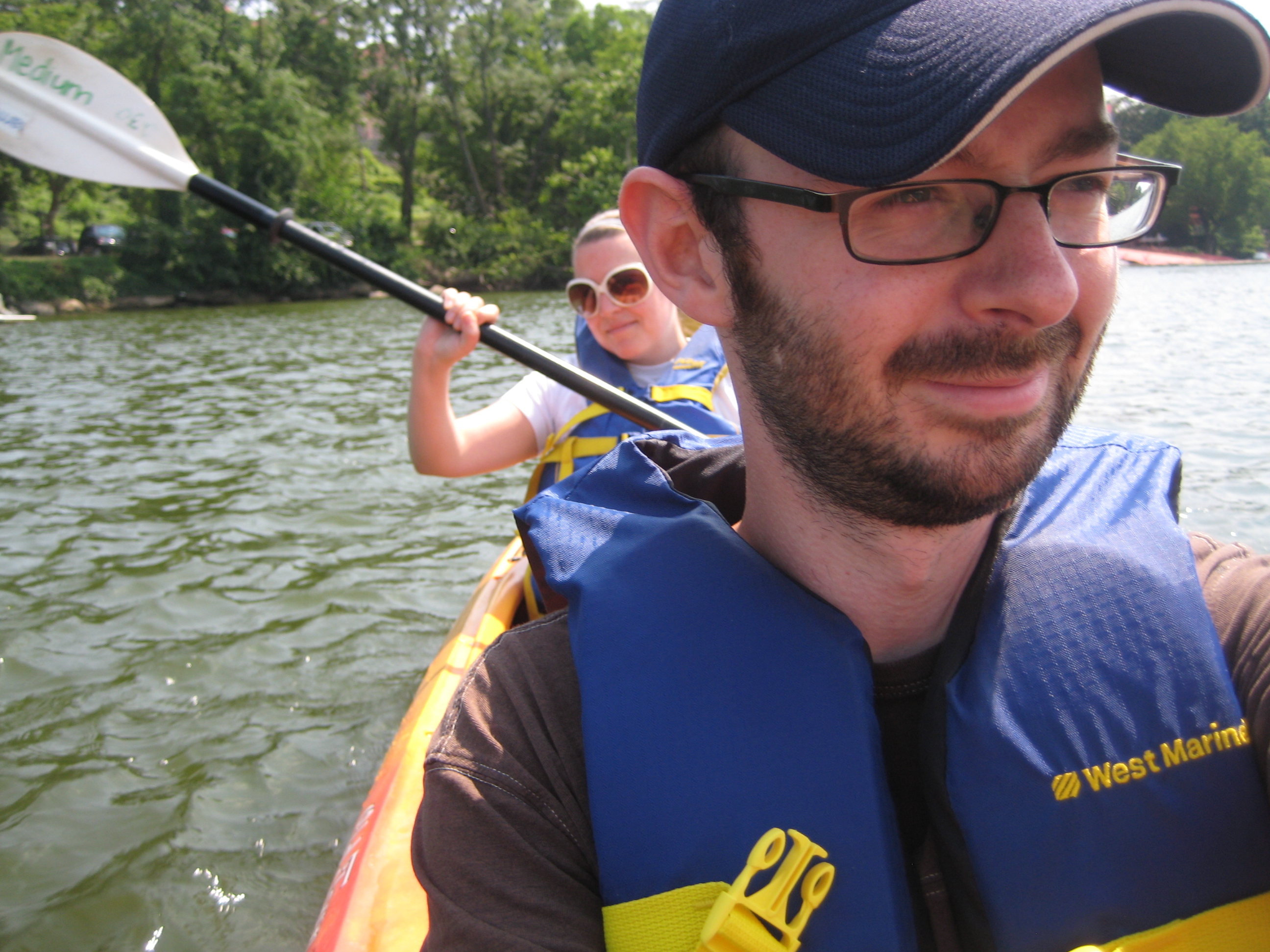
Questioningly work-related: kayaking, also known as practicing getting to work during Cotonou's rainy season. (Okay, okay. I'll save it for the weekends.)

Some things I’ve done with my gap days so far:

  • Rosetta Stone (official verdict: worthless)
  • Online FSI classes (about topics like managing Fulbright programs and monitoring the media)
  • Meetings (ahem, “consultations“) with various people at Main State who I’ll be working with once I’m in Benin

I have a full week of gap days ahead of me, and I’m not sure yet how I’ll spend all the time. In addition to more Rosetta Stone (ugh) and a few more online classes, here are some possibilities:

  • Getting my diplomatic passport
  • Africa-related documentaries at Silverdocs
  • Lectures at think tanks and museums
  • Reading official info about Benin
  • Reading official info about parts of the world that may interest Beninois, like Afghanistan and Sudan

Does that sound like 40 hours worth of work to you? Me neither.

Send any more gap day activity ideas my way!

Posted in FS Life, FSI | Tagged , , , , , | 2 Comments

advice for a-100

I’m getting ready to head off to a welcome reception my class is hosting for the 154th A-100 class, who start on Monday. I’m jealous of them. It’s definitely an exciting and memorable five weeks. (And I can’t wait to live vicariously through their bid list!)

As I’ve watched this new class gear up for tomorrow (my class hosted an online discussion forum for them over the last few weeks), I can’t help but wonder: if my today self could have communicated with my March 28 self, what advice would I have passed back?

Well…

  • Participate — Attend as many happy hours, dinners, poker games, camping trips and other unofficial class activities as you can possibly manage — even if you’re usually a homebody (ahem, me). This is when you really get to know your classmates. It’s important.
  • Appreciate the order — A-100 is a well oiled machine. Enjoy it while it lasts.
  • Don’t be afraid to ask — If you don’t understand how something works, now is the time to learn. Everyone (from your guest speakers to your course coordinators) will be very receptive to questions from you now. Once you finish A-100, though, it will be harder to get responses to emails, phone calls and inquiries. You’ll have to figure out a lot of stuff on your own. So take advantage of the opportunity to ask as much as you can.
  • Actually, be a little afraid to ask — Don’t be that person in class who has a question after every lecture, especially a question that’s only really interesting to anyone who did graduate-level work in, say, underwater basketweaving, like you. Some questions are better asked one-on-one, after class.
  • Don’t over think bidding — When ordering the posts on your bid list into highs, mediums and lows, don’t worry about how your classmates are bidding. And don’t employ a complicated strategy that you’re certain could only result in you getting your #1 favorite post. Just be honest. If you really want to go somewhere, bid it high. If you’d be okay going somewhere, bid it medium. If you’d prefer not to go somewhere, bid it low.
  • Involve your family — You’re going to be spending your days meeting interesting new people and embarking on an exciting new career. Your loved ones, however, aren’t. They’re going to be figuring out where the grocery store is, having frustrating conversations with the moving company delivering your UAB and struggling to find things to do in a new town where they don’t know anyone. Remember that. Keep them in the loop about what you’re learning and doing, and involve them in those after-class activities as much as possible.

Abbey would also like to offer some advice to pets of the 154th:

Bid high on places accessible by car, or this horrible thing could happen to you too.

That’s all I’ve got.

What would others add?

Posted in A-100 | Tagged , , , , | 4 Comments

voodoo video

I actually had the opportunity to attend a voodoo ceremony once: in high school, when I spent a few weeks volunteering in Haiti. However, my stomach hadn’t quite adjusted to the local water, and getting to the ceremony would have required riding for a few hours each way in the back of a pick-up truck, bumping up and down with each of the many potholes in the road.

So… that didn’t seem like such a good idea.

Although I didn’t ever see an actual voodoo ceremony in Haiti, meeting so many people who practiced the religion — good people — made me question the assumptions I’d had about it.

This Samuel Freedman op-ed touches on the roots of voodoo’s misrepresentation in American media and culture. Like many people, I’d thought of it as sort of a sinister sorcery, but it’s really not.

Voodoo isn’t really all that different from other religions; followers appeal to divine powers to assure their success in life. They just do this is ways we don’t understand.

A simple but good explanation of what voodoo’s really about can be found in this National Geographic piece, if you’re interested. Or check out this NPR series.

Now, on to our regularly scheduled programming:

From the accompanying article:

“…Our first stop was Ouidah, a town with links back to the slave trade where voodoo is widely practised.

We were invited to attend a voodoo ceremony with the high priest Dagbou Hounon.

Despite the fact that voodoo is the most widely practised religion here, we still passed a mosque and a church on the way to the ceremony.

Under the gaze of Dagbou Hounon, six dancers performed to the raucous beat of a six-piece drumming outfit.

The beats were vigorous and relentless, the six dancers pumping their bodies energetically with jerky steps, jumps and thrusts of the chest and arms.

Speaking to Dagbou Hounon later, we learned that this dance is just one part of a number of elaborate rituals that anyone consulting a voodoo priest might be asked to commission in order to get things to go the way that they want.”

This video and article are part of a larger BBC project called Africa Kicks. Timed to coincide with the World Cup, it explores West Africa’s “football factory,” the region that produces the best soccer players. Check it out!

Posted in Benin | Tagged , , , | Comments Off on voodoo video

state department speak

I start French in less than a month, but in the meantime I’ve been focusing on picking up another language: State Department speak.

A fellow blogger wrote a great post a while back about the plethora of acronyms used by the Department. He’s not exaggerating. In fact, I decided to keep track during a lecture in the public diplomacy class I recently finished up. The tally for one five-minute stretch? 37. Yes, that’s right: an acronym every eight seconds.

It’s not just the acronyms. I often find myself amused by State’s habit of using formal phrases when simple ones would work just fine:

  • They’re not hallways; they’re corridors.
  • You don’t have meetings; you have consultations.
  • You don’t take vacation; you take annual leave.
  • They’re not local employees; they’re locally engaged staff.
  • It’s not human trafficking; it’s trafficking in persons.

Another example: this recent blog post about learning “consularese.”

Lest you think you’re starting to get the hang of State Department speak (“turn it into an acronym, and if you can’t, make it sound stuffier and unnecessarily complicated”), slow down, because it goes the other way too. Some things State makes so simple that they’re not actually simple. For instance:

  • Hillary Clinton is not the Secretary of State; she’s S.

That one make sense, at least, but they’re not all so easy.  For example:

  • The Bureau of Public Diplomacy and Public Affairs — what do you think it’s called? P? PD? PA? PDPA? Nope, none of those. It’s R.

Here’s hoping French is more intuitive.

I’d imagine most new FSOs feel a perverse pleasure in beginning to understand this strange code of a language. I certainly do. But at the same time, I hope that even when I become fluent in State Department speak I use it as little as possible. The more we talk this way internally, the more I’d imagine it slips into the work we do externally. And that can only get in the way of my job: engaging with the public to explain what America’s all about.

Posted in FS Life | Tagged , | 2 Comments

pied-à-terre

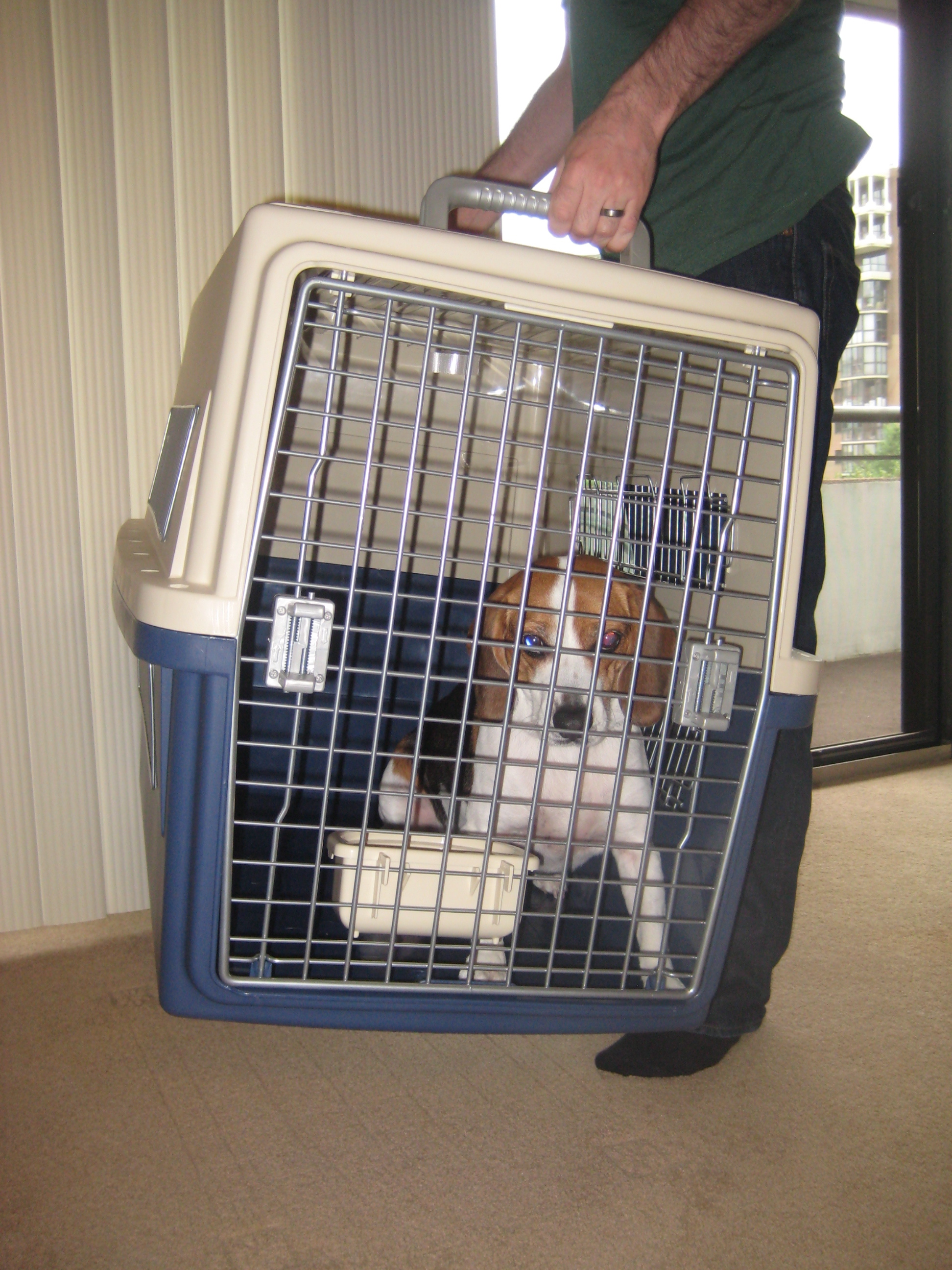
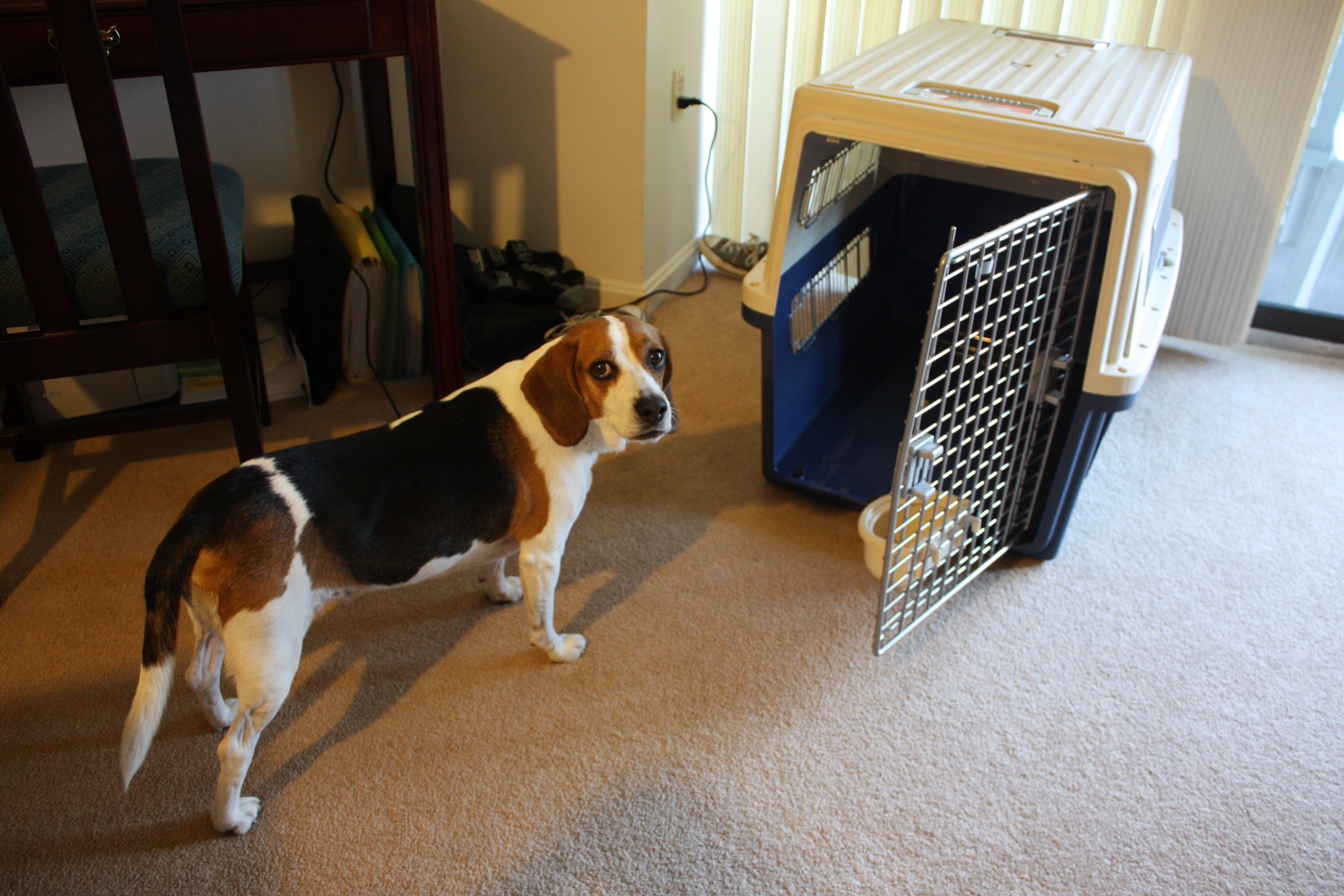
With all of our recent interest in real estate in the DC area, one of us did end up with a brand new home. Yes, due to some recent behavior missteps (which I should mention to potential dog-sitters out there seemed to have cleared up), Abbey is now the proud owner of an eight square foot cage. In New York City they’d have called it a pied-à-terre and charged her $450,000.

Make it $550,000 because it's an elevator building.

Even though we bought it this week to help with Abbey’s recent anxiety (again, totally fine now, she’s great, please watch our dog for us), the real reason we needed this cage is that in ten months we’re going to use it to transport her to Africa. So while a lot of people we know have been getting travel orders and plane tickets and diplomatic passports, we finally took our own first step towards moving abroad. Now we just have to convince Abbey that her cage is a safe place before they load her into the belly of a jumbo jet and ship her across the Atlantic.

Wait, what?
Posted in FS Life | Tagged , , | 7 Comments

on real estate

As a kid, when the newspaper showed up, I didn’t grab the comics section; I took real estate. I’m not sure why. My parents were always interested in architecture and antiques and probably somehow inadvertently passed this interest down to me. I loved scanning the listings for homes with hardwood floors, wraparound porches and original details.

Living in NYC, I was a regular on real estate and restoration blogs. I sometimes even went to open houses for fun. Of course, seeing as how I neither have a trust fund nor work in finance, I could never afford to buy property there. Well, that’s not entirely true. Right before the Foreign Service became a reality Andy and I were toying with the idea of becoming NYC homeowners, but our budget would put us in, at best, a 700-square-foot two-bedroom in a less than desirable neighborhood probably an hour from work. And we’d be paying that off for 30 years. Hardly ideal.

So, fast-forward to the present. We’re currently living in Rosslyn, an area that’s convenient and safe and totally fine, but also a little soul-crushing for someone who gets so much pleasure from old, quirky architecture. (Andy’s description of Rosslyn in a previous post is spot on: “The dominant architectural style appears to be 1990s Corporate Apartment.”)

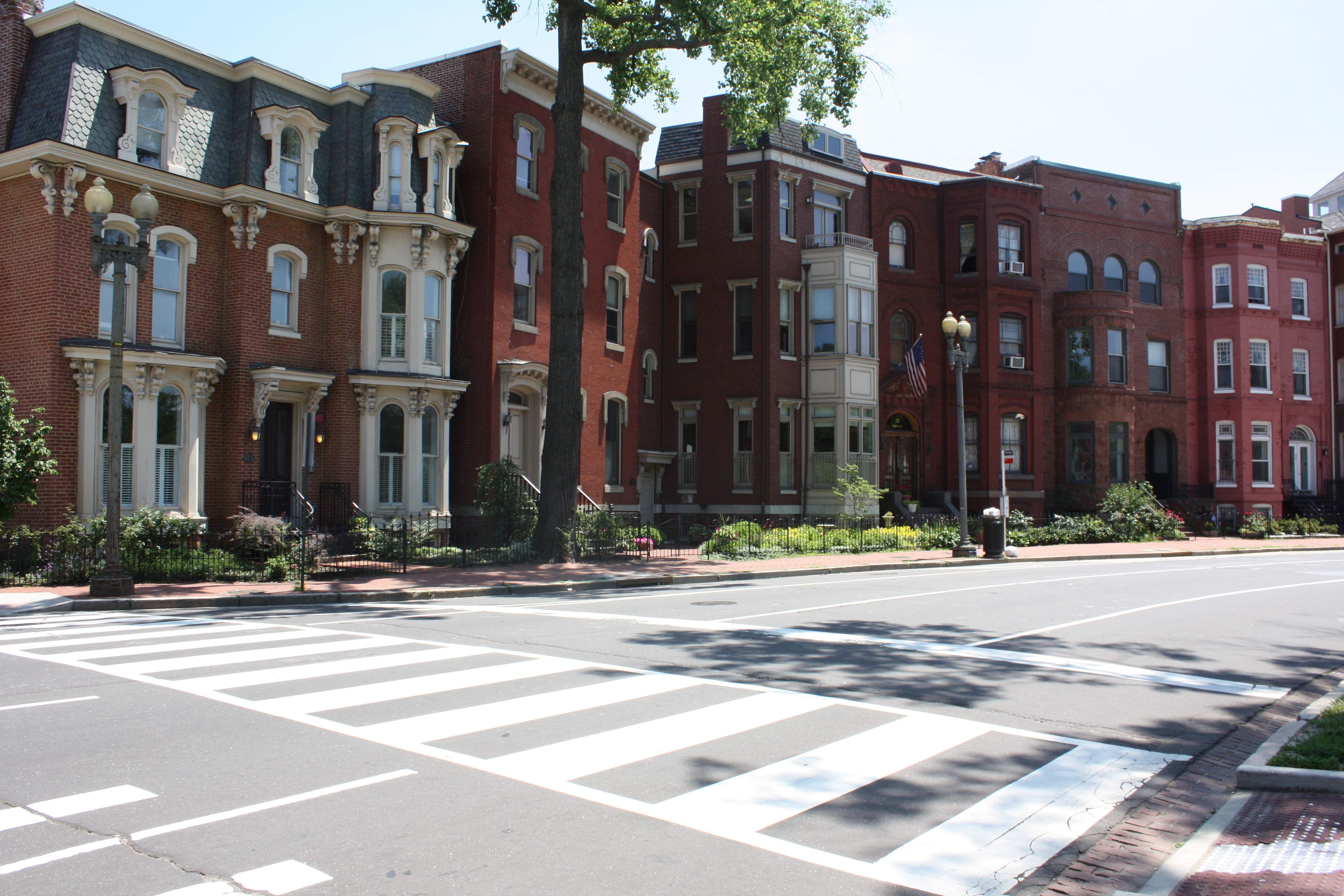
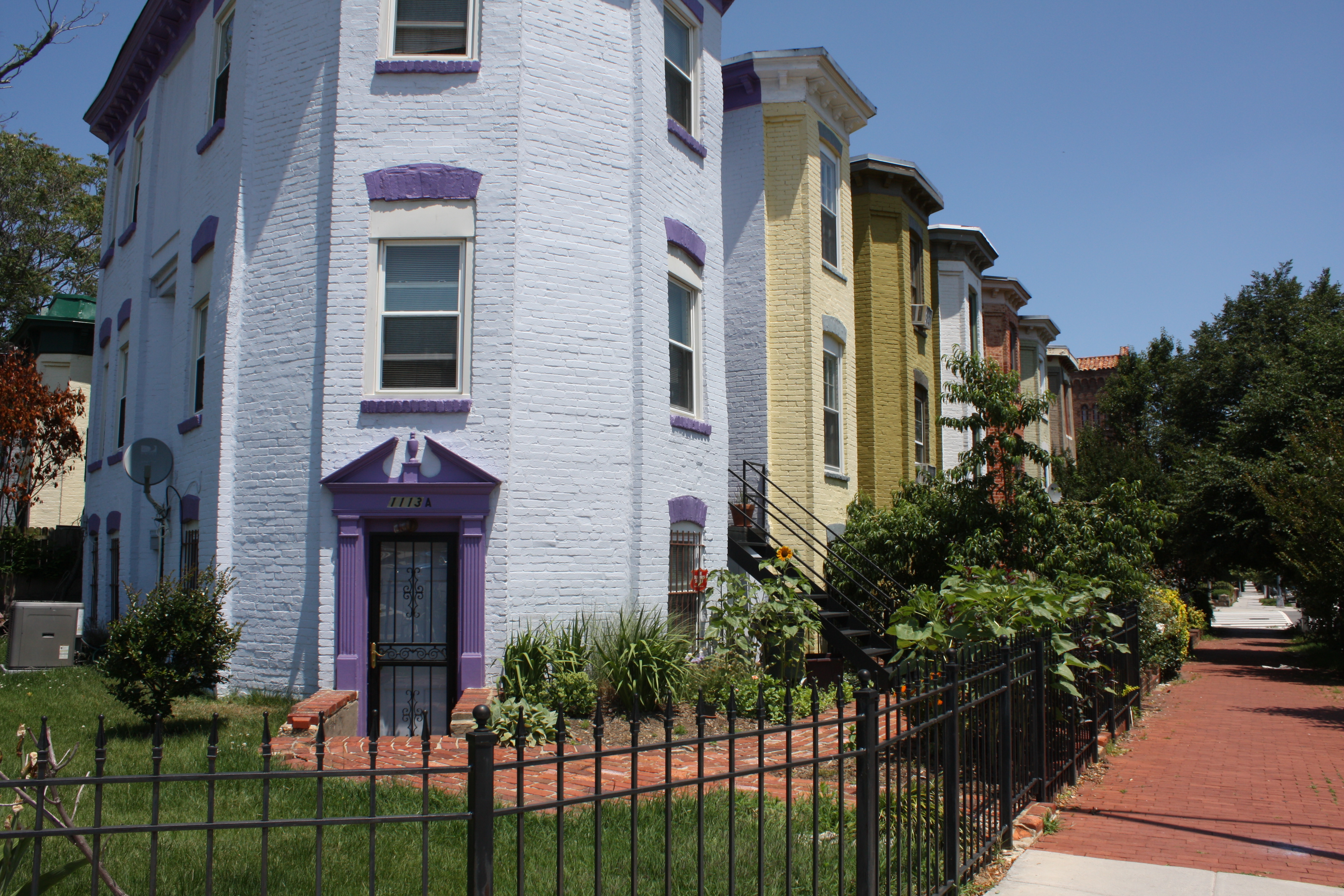
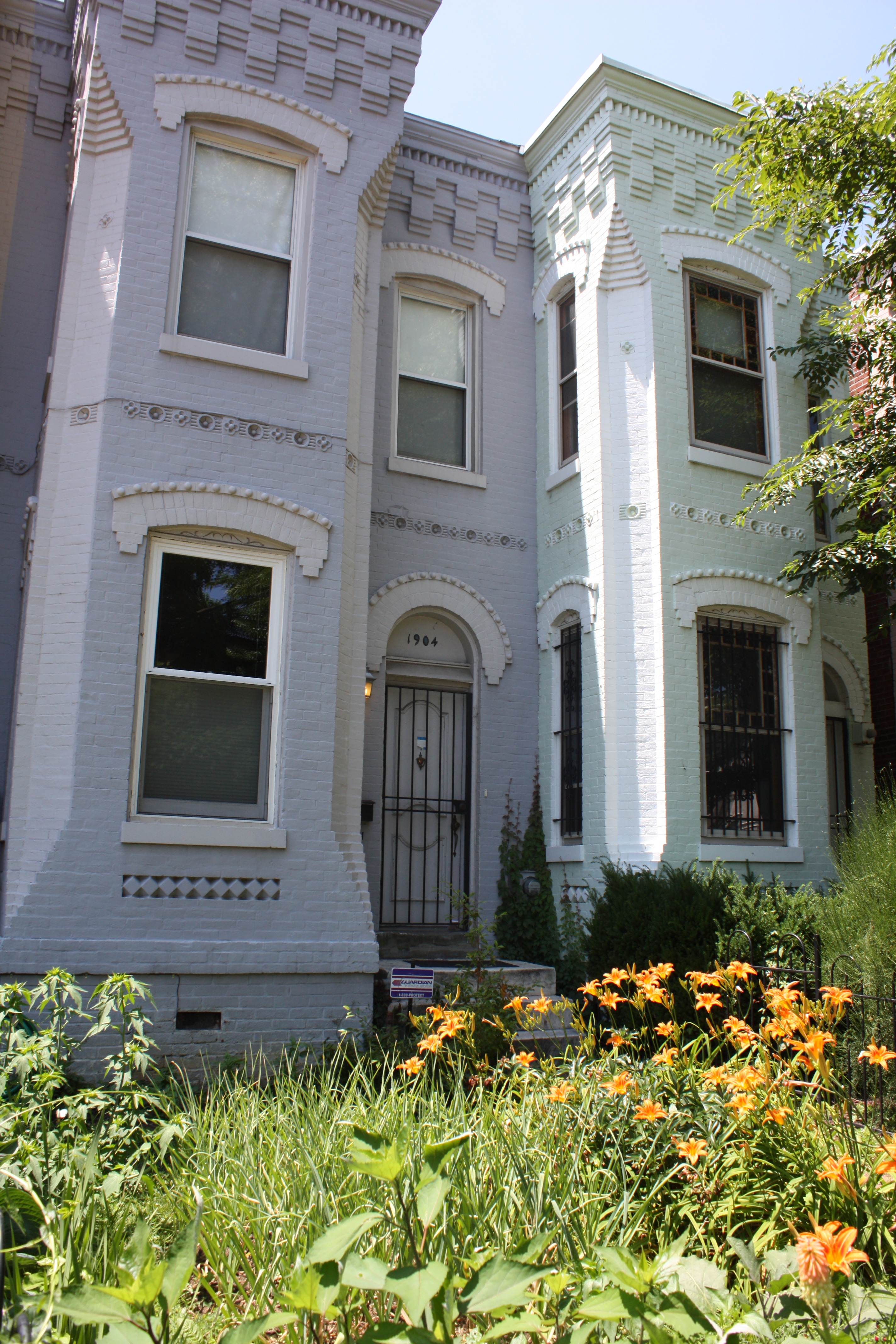
One day when I was feeling a little sorry for myself and wishing I’d done more research before committing to our DC digs, we decided to venture out to explore neighborhoods that seemed more our speed.


These pictures were taken around Logan Circle. Love it! Upon returning home we promptly hopped on some real estate sites. Prices aren’t cheap by any stretch of the imagination, but they’re also not in the it’s-never-in-your-wildest-dreams-going-to-happen range we grew accustomed to in NYC.

Interesting.

But just because we can own, should we? I realize real estate is a much smarter place to stash our money than in the low-yield savings account it’s mostly now all in. (I know, I know. I keep meaning to get on this.) I also of course love the idea of having a house to decorate and restore however I like. And the potential to get some rental income while we’re overseas doesn’t hurt either.

At the same time, not having a trust fund or finance job isn’t actually the biggest reason I’ve made it to age 28 without buying property. Truth be told, there’s something very appealing to me about being untethered.

What about other FSOs out there? Why did you decide to become a homeowner, or why are you holding out?

Posted in FS Life, Life in DC | Tagged , , , , , | 7 Comments

crab cakes & cute houses

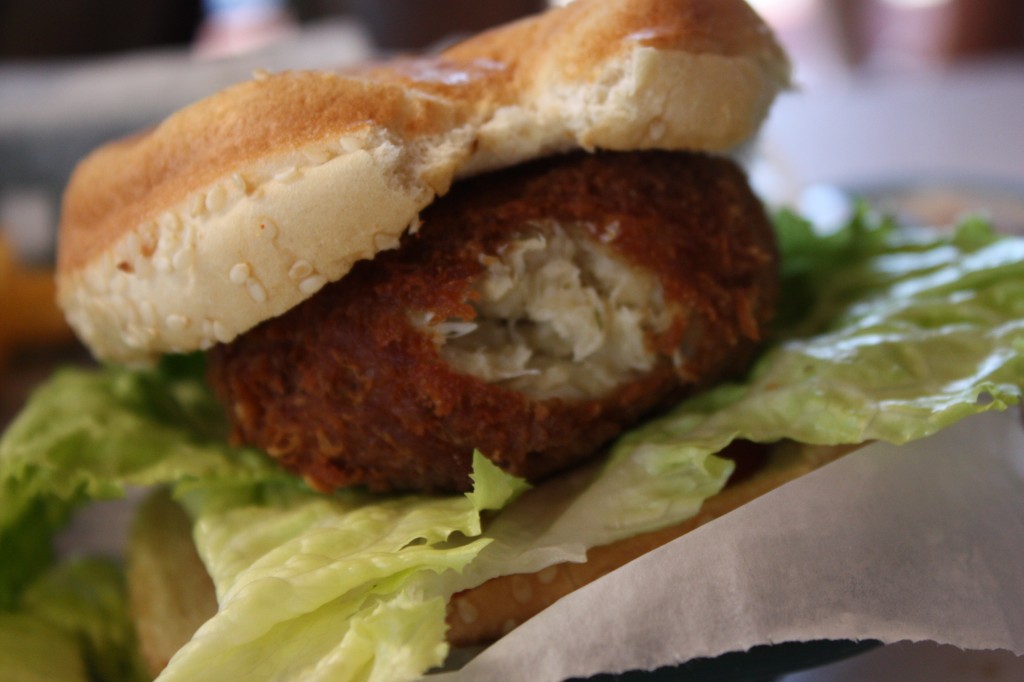
So, we’ll be moving to a part of the world where most meals feature ocean-dwelling creatures. (See here and here, for instance.) I’m excited about fresh and plentiful seafood, but Andy? Not so much. But he’s being a good sport and even trying to prepare his palate. In Annapolis over the weekend he shocked me by ordering this crab cake sandwich:

Mmm.

He even finished the whole thing!  The verdict: “Tastes like a ham sandwich dropped on the bottom of a boat.” Well, it’s a start.

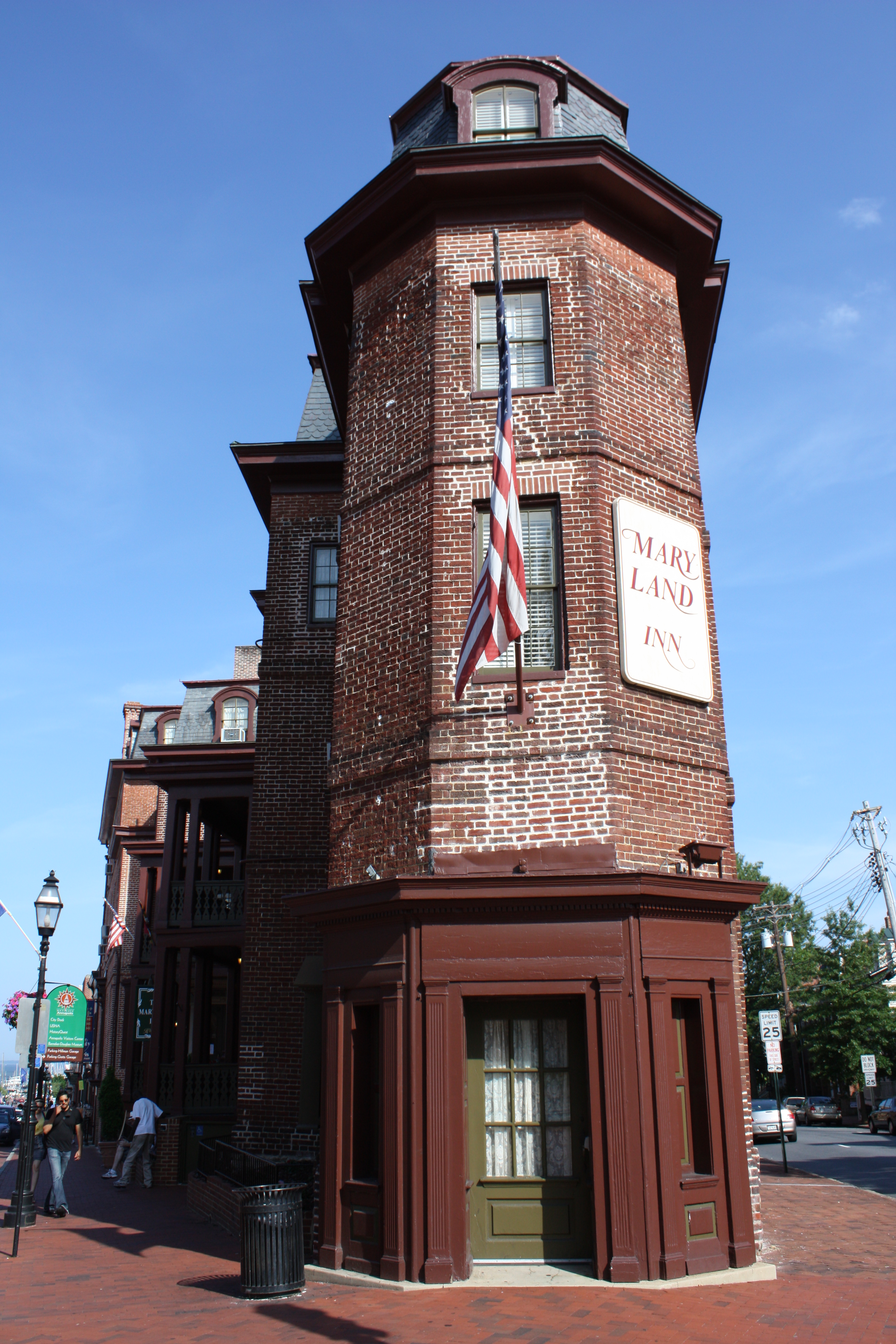
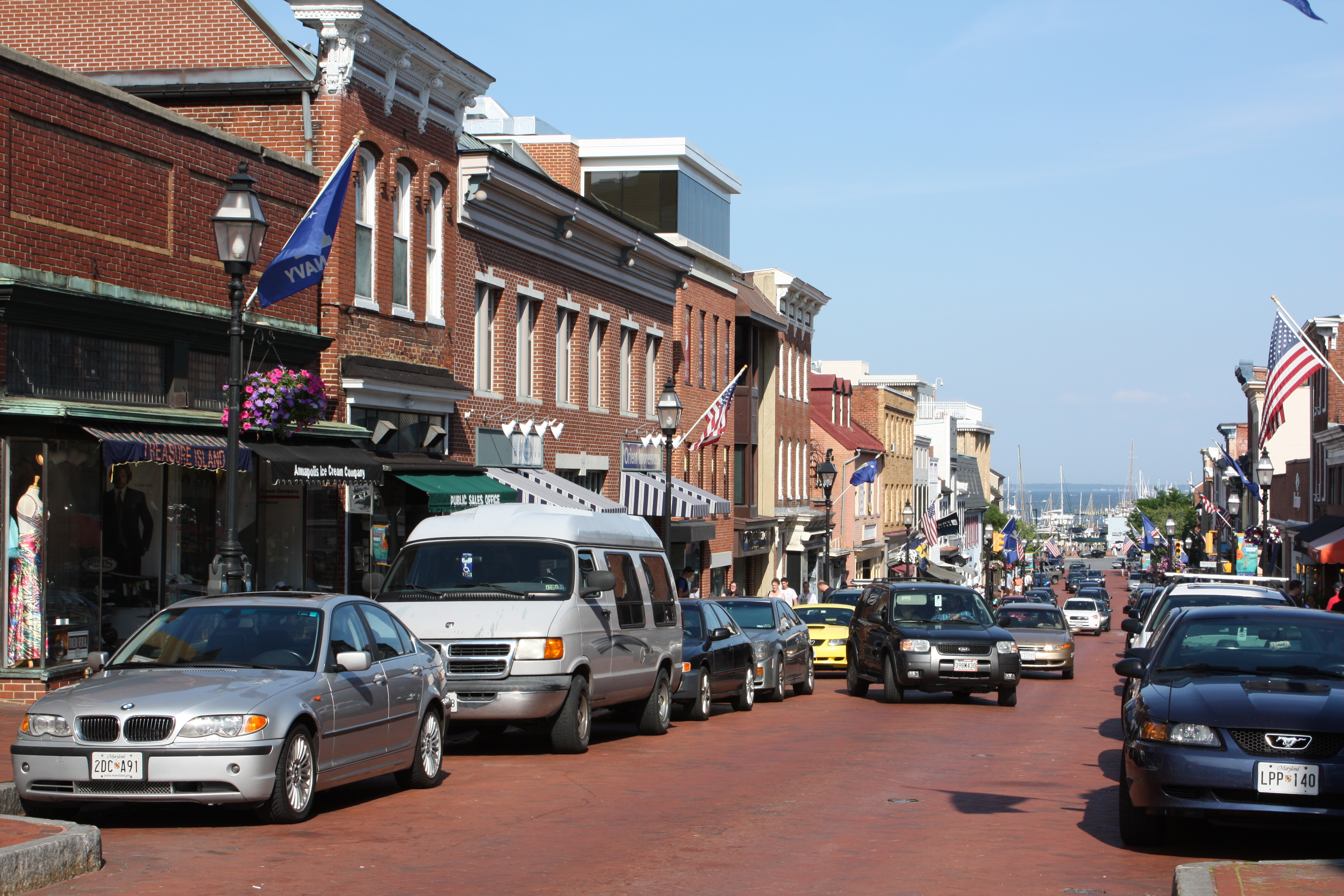
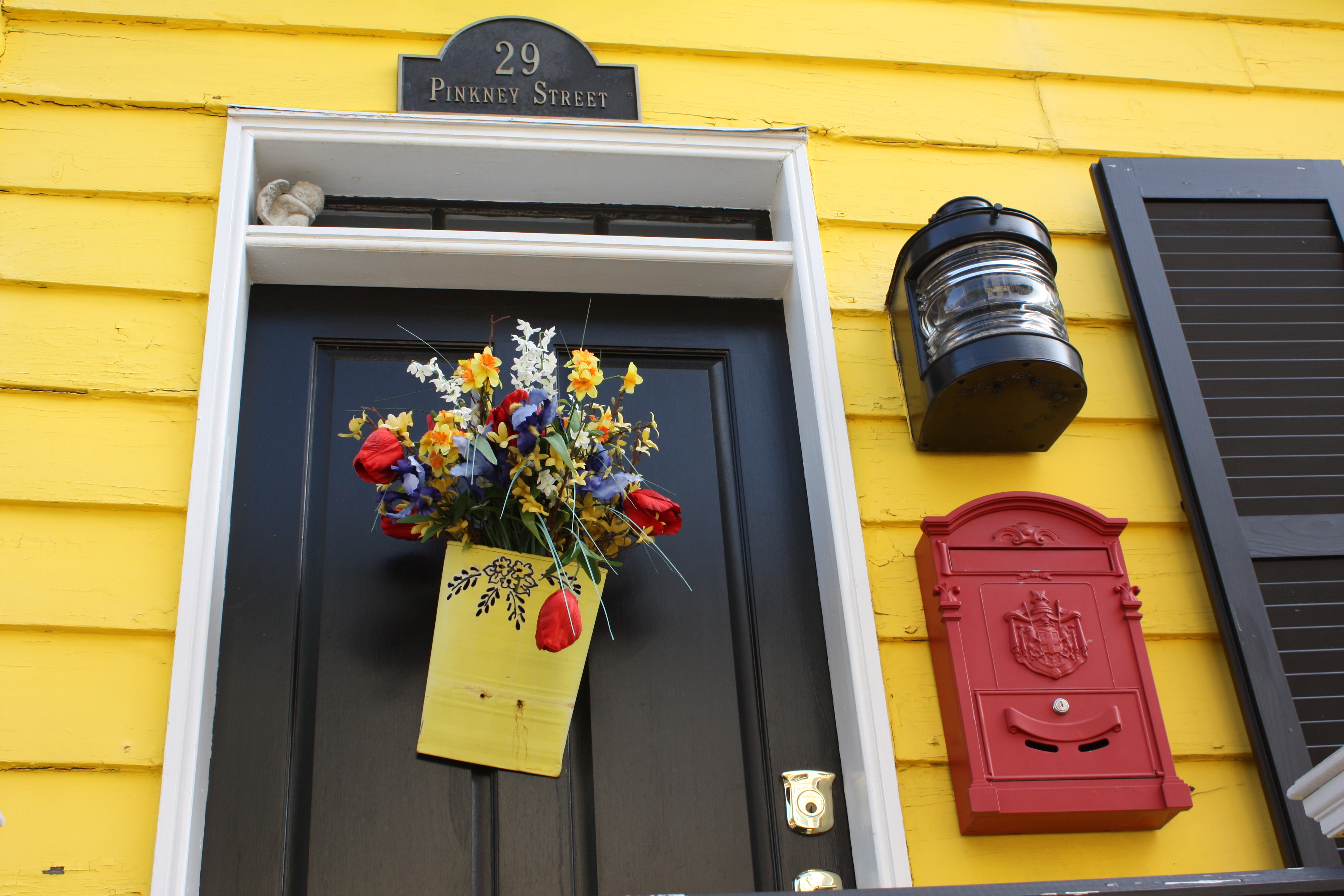
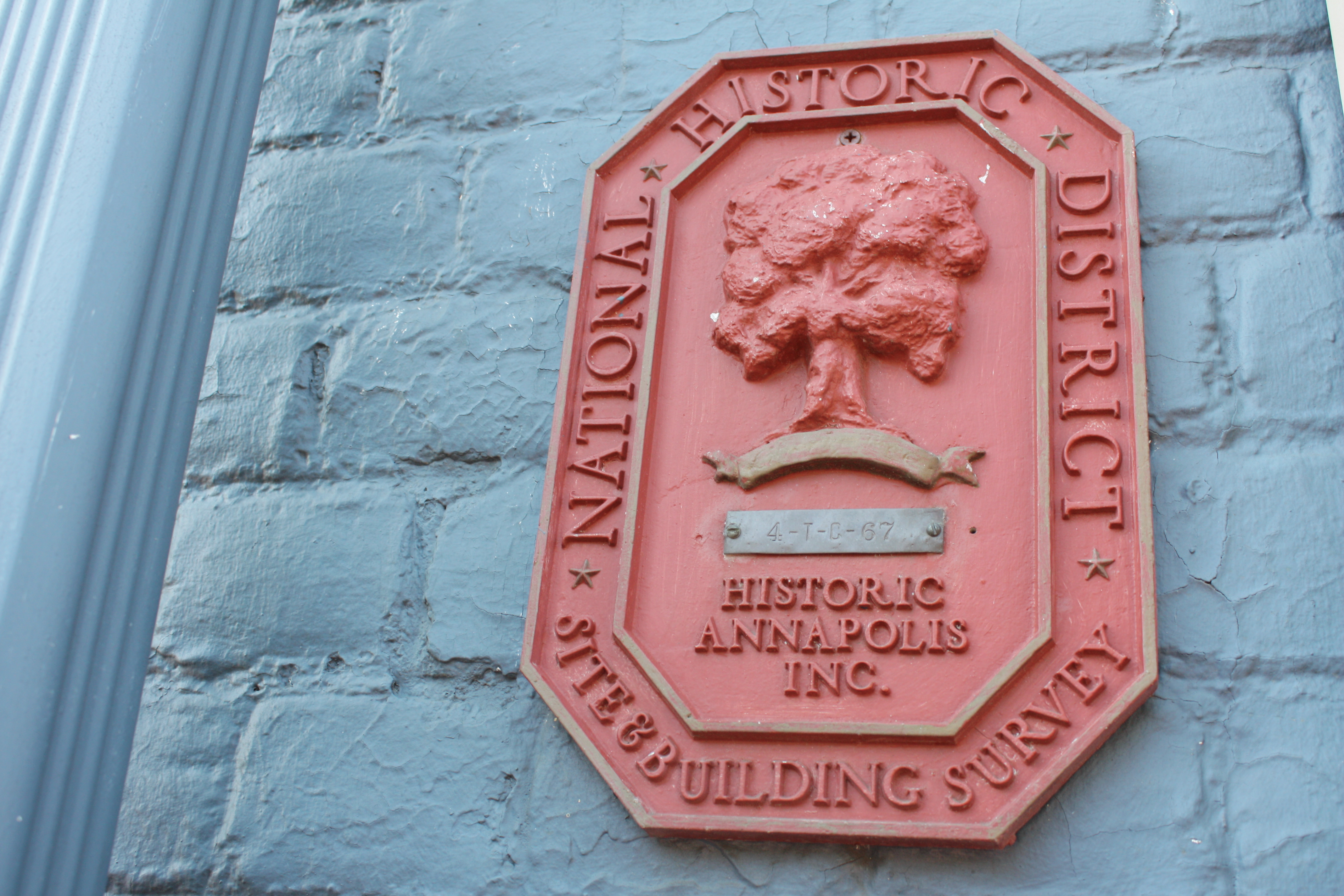
More pictures from Annapolis…

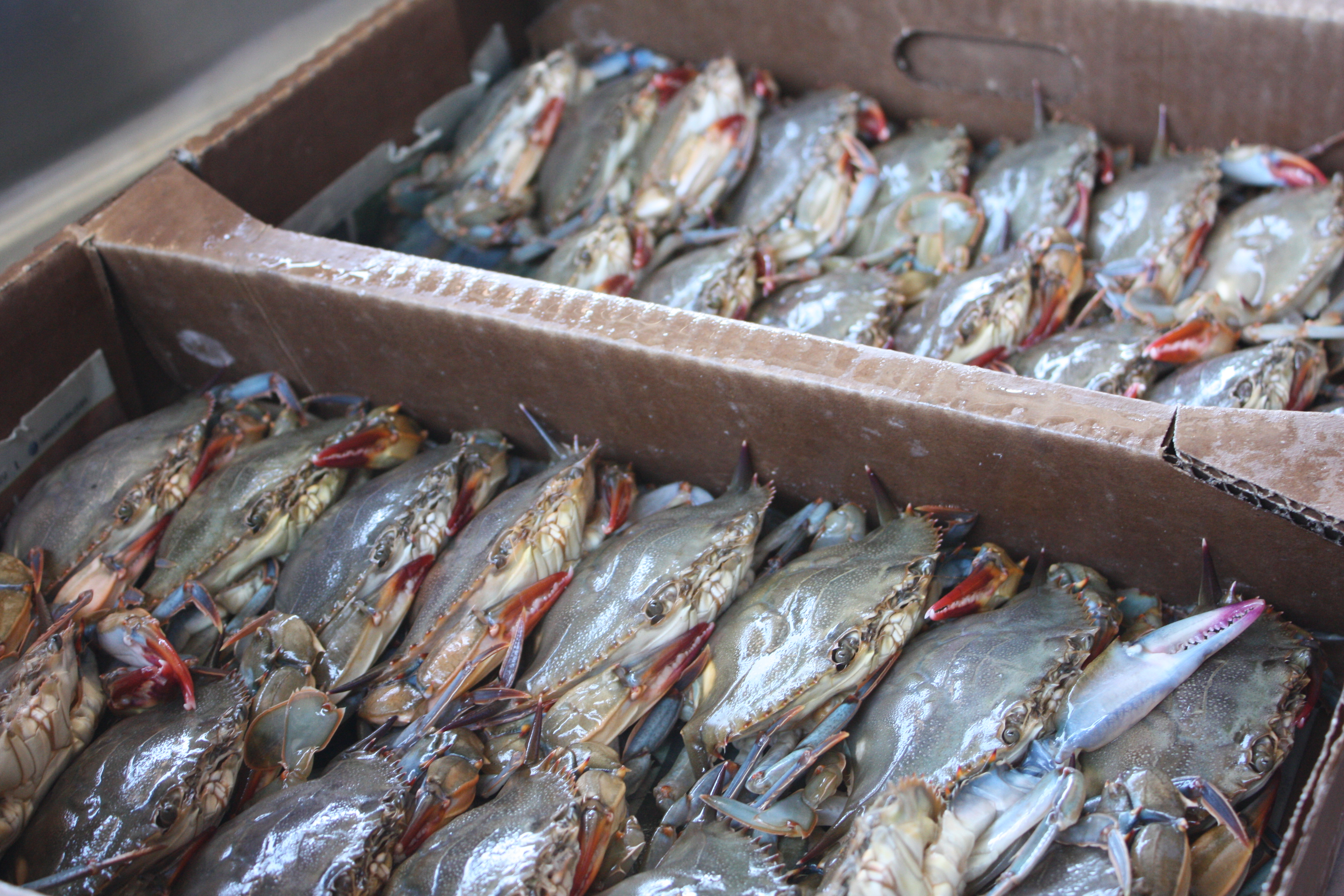
Before the crabs became cakes...
Downtown.
More downtown.
Quaint.
Historic.
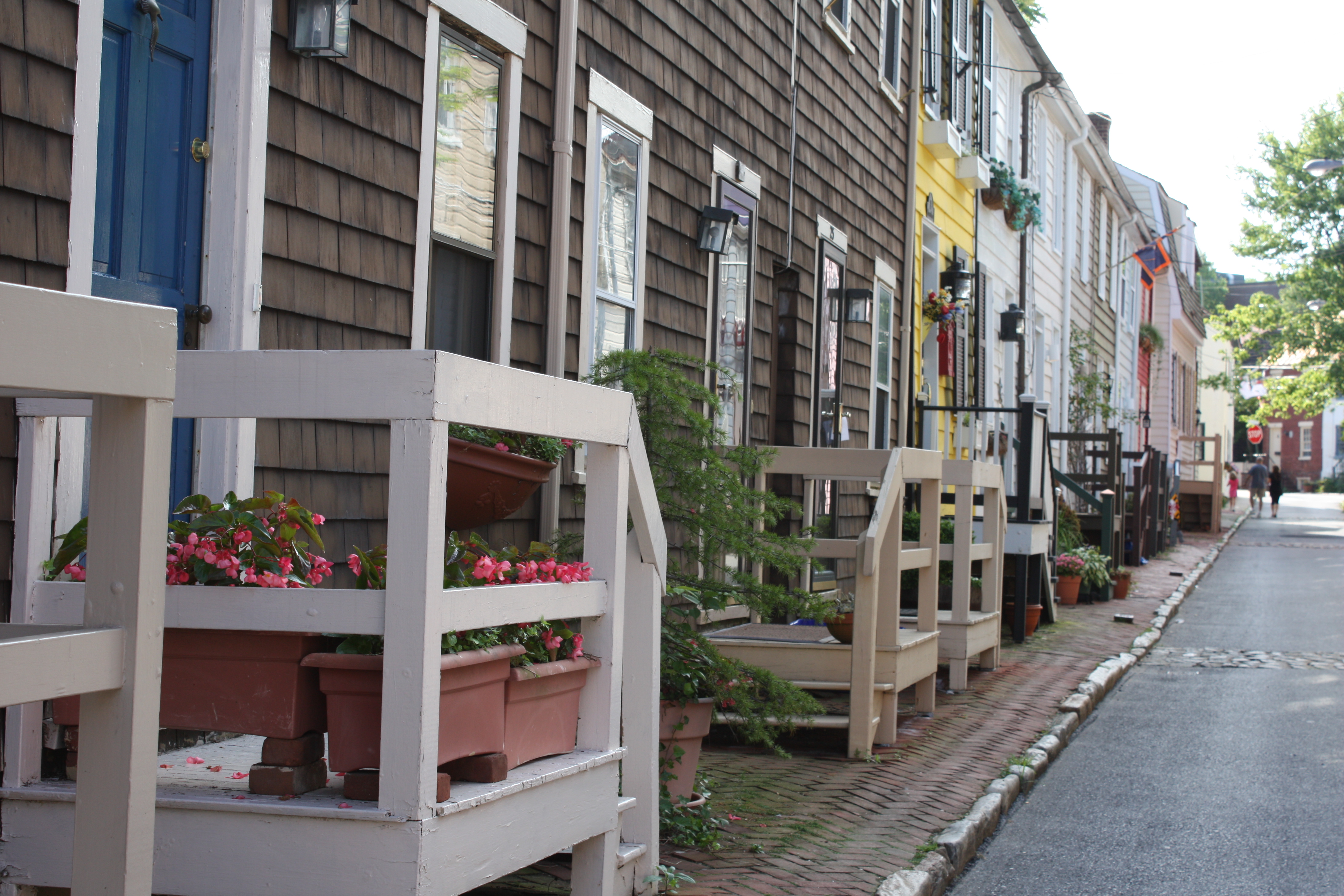
Even the alleys are cute.

Downtown Annapolis was fun to see, although honestly it’s a bit too Disney-fied for my tastes. It’s one of those places that clearly used to be totally cool, and might still be pretty cool if you’re somehow able to overlook the fact that no one hangs out here anymore besides tourists. The architecture is lovely, yes, but when I travel I prefer to see how locals actually live. I’d imagine other FSO-types share this desire — am I right? Isn’t that interest at least in part what draws us to this bizarre lifestyle?

Anyhow, Andy and I had a better time when we ventured away from the commercial strip downtown. We strolled down residential streets and crossed a bridge to a crab shack whose parking lot only had MD license plates.

And now we’re thinking ahead to future weekend trips. Any suggestions?

Posted in Benin, Life in DC | Tagged , , , , , | 6 Comments